
Essentials of parenting: What is your role in the development of a child?
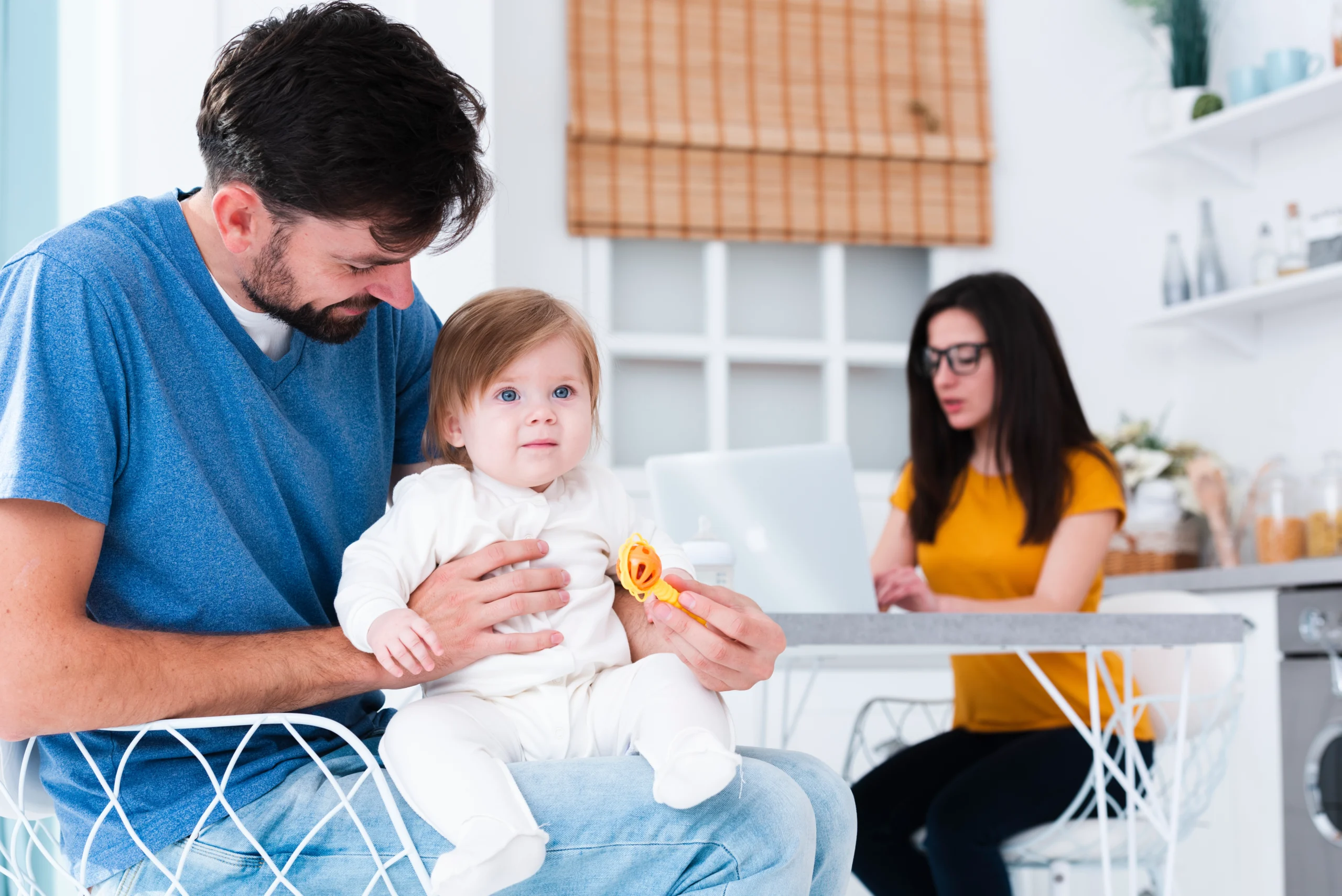
Parenting is one of the most effective roles that an individual can perform since it is the one that determines not only the current experiences of a child, but also their future personality, relations, and the skill of coping with the life. From the moment when a child is born, caregivers are the major places of safety, guidance and learning. Children rely on adults as well to provide physical resources like food and shelter, emotional resources like emotional stability and social interpretation, and behavioral resources like behavioral patterns. Some think that parenting is an instinct-only kind of thing but good parenting is acquired by being conscious, introspective and working on it. Learning about the effects of the daily interactions allows parents to be more purposeful when looking to influence the development of their child.
Child development is a process that takes place in various interdependent fields such as emotional development, cognitive development, social development, and physical development. Such spaces do not develop independently. The emotional security of a child would determine the capacity to learn, social experiences determine confidence, and physical wellbeing would determine energy and attention. The parents are key central to the development of all these areas by interacting on a daily basis. The simplest acts like listening to the story of a child, reassuring them when they are angry, or stimulating their interest also help to build trust and self-esteem. Feeling important and comprehended, children will tend to investigate the world around them, ask questions and express themselves freely.
Healthy development is based on a good emotional attachment between the parent and the child. Close association is achieved by regular attendance, affection, and attentiveness. Such actions by the parents towards the needs of a child can teach the child that he or she is secure and loved. This is the feeling of security that forms the foundation upon which the children begin to discover the world. In the absence of emotional security children can be anxious, withdrawn or too dependent.Looking for the best online casinos in Canada, we’ve reviewed the best online casino sites Canada has to offer, featuring secure platforms, top games, and fast payouts.. Emotional connection does not need perfection to be built. It needs to be addressed, empathized with, and ready to listen.
Strong role models are parents. Children learn the way adults interact, deal with frustrations, problem-solving and how they treat others. Such observations construct the knowledge of a child much more than verbal instructions do on how to act. Children imitate the pattern when their parents cope with stress stressfully, talk in a respectful manner and show kindness. On the other hand, children can learn to display anger, avoidance or disrespect because they see them frequently. Consciousness of personal activity is therefore a significant part of parenting.
Predictability and safety gives the children a feeling of consistency. Having clear schedules on meals, sleep, school work and family time makes the children know what to anticipate. Unpredictability will decrease anxiety and aid in self-regulation. Stability is also applicable to boundaries. Change in rules and expectations confuse and cause children confusion. Good boundaries give children an idea of boundaries and they feel supported.
Parenting means a process of directing behavior and not controlling it. Children require guidance yet they should be allowed to make their decisions, face the consequences and learn as well. Confidence and problem solving skills are developed through granting age appropriate independence. Parents might end up overprotecting their children to protect them, which may result in the absence of resilience, and neglecting them might leave them without a feeling of safety. Life is a continual process of discovering a balance.
The other pillar of good parenting is communication. Listening to children attentively without directly judging or interrupting lets children feel that they are heard. Children will be willing to express themselves when they feel that they are being heard. Open communication helps to enhance trust and minimize behavioral problems.
One has to be patient since no development is quick. Children do not learn how to control emotions, social skills, and responsibility overnight. Learning takes place in the form of repetition and through soft instruction.
Parenting does not mean perfection. Being there, making mistakes and being able to keep growing with the child is all about it.
Minor everyday experience builds into a lifetime influence.