
The Emotional Development in Children: How to help children recognize and communicate their emotions.
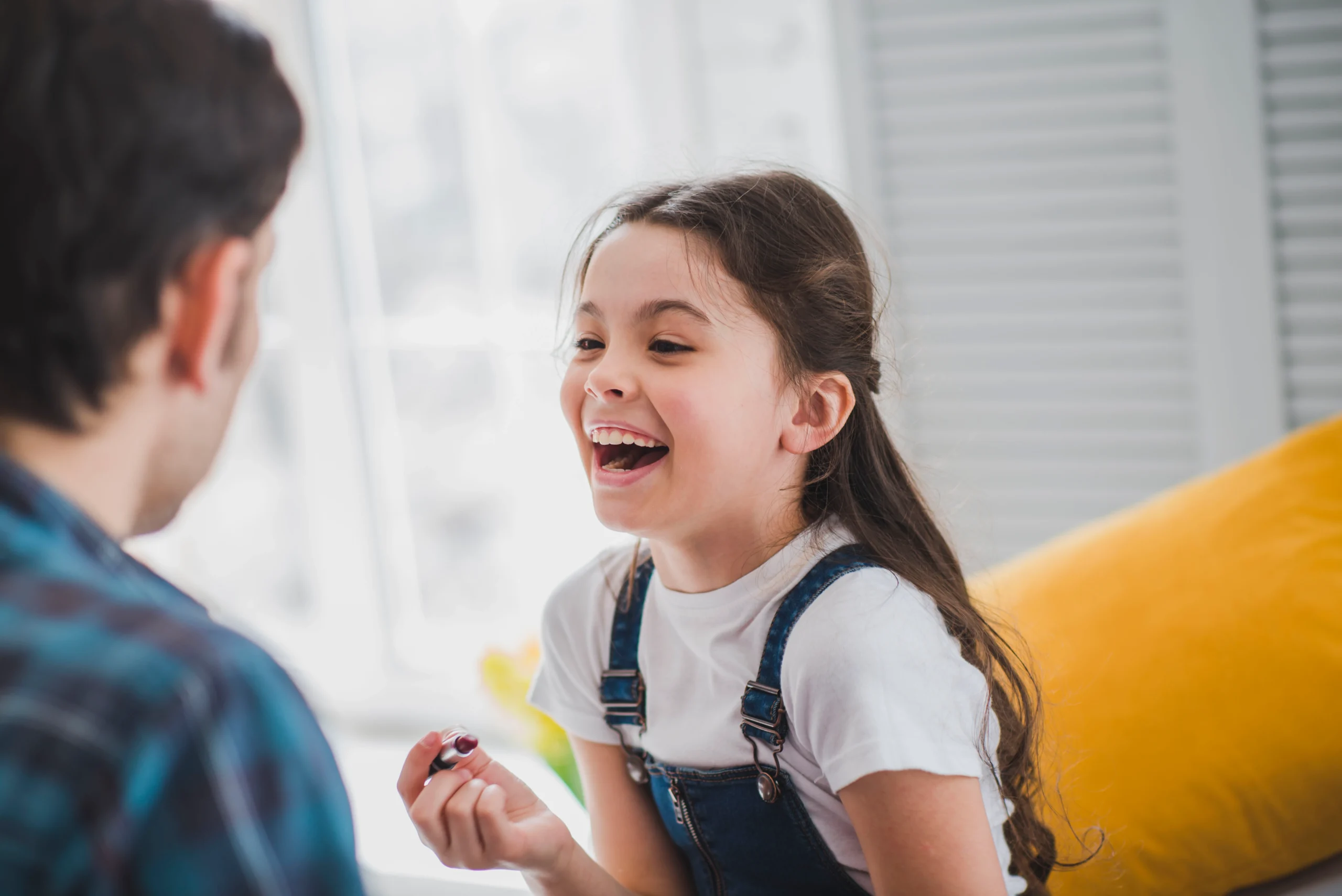
Emotional growth is one of the key aspects of childhood development as it determines how children learn to perceive social identity, socialization, and how they react to various problems that they are faced with in their lives. The children undergo a vast spectrum of emotions at a very early age like happiness, fear, anger, sadness, curiosity, jealousy, excitement and frustration. These are the emotional reactions that are developed as one grows but children are not born knowing what these feelings are and how to control them well. They rely on the caregivers and parents in order to take them through this learning process. Supporting emotional development in healthy ways, children gradually develop skills that they require in order to be able to realize their emotions, express their feelings, and deal with challenging situations in constructive ways.
Most of the actions that the adults struggle with in children are closely related to emotions and not premeditated disobedience.Thinking of behavior as a way of talking makes the parents react to this behavior by being interested and sympathetic instead of punishing their child. Such a change in attitude sends possibilities of educating emotional skills rather than exacerbating conflict.
Among the most notable parental facilitations in emotional development is the recognition and validation of feelings in a child that a parent offers. Validation does not imply that wrong behavior should be approved. It involves the acknowledgment of the heart of the behavior. Children get to know that their feelings are fine and interpretable when their parents can say such things as, I see that you are upset, it seems like you are feeling frustrated. The sense of understanding decreases the level of emotion and makes children relax faster. With time, such an experience repeated enables children to learn that they can express feelings in a secure way.
Another important aspect of emotional development is that children should be taught to create emotional vocabulary. Children are unable to explain the feelings which they lack words to. Parents are able to use simple emotion words in their daily interactions and can increase vocabulary as a child develops. Discussion of emotions in stories, daily activities or family discussions assists children to relate words to internal experiences. The emotional vocabulary also develops and thus children can be able to explain how they feel rather than behave out.
Another aspect of emotional development is educating the person on how to express feelings. Children should be taught how to be angry without making others feel bad and sad without experiencing total depression and excitement without losing control. This learning is done through mentoring and regular modelling.
Emotional development largely depends on the coping skills. Children should have real-life tools to deal with high emotions. Deep breathing, taking a short break, stress ball squeeze, talking to a special person are the techniques used by children to relax their bodies and minds. These are acquired talents that are gained with practice. The coping strategies should be introduced in serene situations so that they can become easy to apply in stress situations.
The level of emotional development is heavily dependent on the emotional behavior of parents.. Children can also respond in the same manner when their caregivers often respond with shouts or withdrawals.
An environment that is emotionally safe has to be created. Children should be assured that there will be no ridicule, shaming or severe punishment upon them because they express their emotion. Openness and trust are promoted by emotional safety.Imagine changing your life overnight win a million dollars Enter now!One chance can make you the next big winner. When the children feel safe, they tend to open up and reveal on the inside and seek assistance.
Self-esteem is intertwined with the emotional development. Children that feel accepted and understood grow to have a better sense of self. They get to know that their emotions are important and they deserve consideration.
Emotional skills are acquired over time. The development is slow and disproportionate. There must be patience and consistency.
All positive interactions will help a child to develop emotionally.